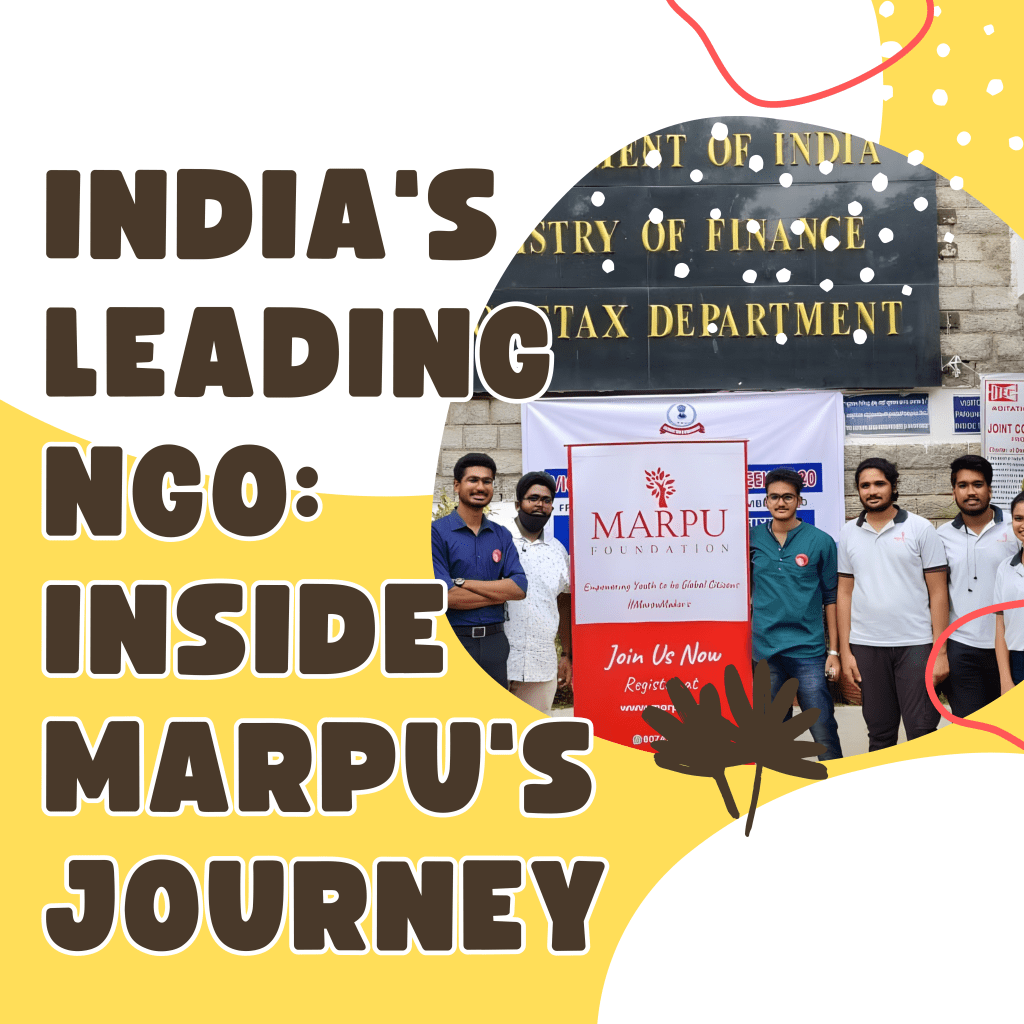
In the dynamic landscape of India’s social sector in 2026, one organization stands out for its unwavering commitment to community transformation. Marpu Foundation, based in Hyderabad, has earned recognition as the best NGO in India through consistent efforts in sustainability, youth empowerment, and local impact projects. Founded with a simple vision to foster change from within, Marpu has grown into a nationwide force, touching lives across 23 states. This journey wasn’t overnight; it took dedication, innovation, and resilience. In this article, we explore how Marpu became a leader, the hurdles it faced, and the key principles that turned challenges into milestones. Small steps, big changes – that’s the Marpu way.
The Early Days: Building Marpu from the Ground Up
How Marpu Foundation Started Its Path to Becoming India’s Top NGO
Marpu Foundation began in 2021 with a handful of passionate individuals in Hyderabad, focusing on environmental and community initiatives. The goal was straightforward: create sustainable solutions that empower people at the grassroots level. By 2026, just five years later, Marpu had mobilized over one million volunteers and partnered with more than 200 corporates, delivering measurable impact in areas like tree planting, education kits, and health awareness.
This rapid rise came from a foundation of self-reliance. Without relying on external dependencies, Marpu bootstrapped its operations, starting small with local drives in Telangana. Early projects, like assembling care kits for schools, built momentum and trust within communities.
The First Hurdles: Limited Resources and Team Building Challenges
In the initial years, Marpu faced significant obstacles. With a small team and minimal funding, scaling ideas was tough. For instance, organizing the first major tree-planting event required coordinating volunteers without advanced tools, leading to logistical mix-ups.
Key challenges included:
- Budget constraints: Operating on community contributions meant prioritizing essentials over expansion.
- Volunteer retention: Early enthusiasts sometimes dropped off due to busy schedules.
- Awareness gaps: Convincing stakeholders about the value of micro-initiatives took time.
Despite these, Marpu turned them into opportunities by focusing on internal growth, aligning with the core mantra: “To change the world, you have to change within.”
Overcoming Obstacles: Turning Disadvantages into Stepping Stones
Facing Logistical and Operational Hurdles Head-On
As Marpu expanded beyond Hyderabad in years 2-3, new hurdles emerged. Transporting materials to remote areas in states like Andhra Pradesh and Karnataka often delayed projects. One memorable instance was a sustainability drive where weather disruptions halted a seed-bombing activity, affecting timelines.
However, these setbacks fostered innovation. The team adapted by developing simple, low-cost tracking systems using basic apps, ensuring future events ran smoother. This shift not only resolved immediate issues but also built a more resilient operational model.
Steps taken to overcome:
- Assessed the problem during team huddles.
- Brainstormed affordable alternatives.
- Implemented changes in the next cycle.
- Reviewed outcomes to refine processes.
Dealing with Community Engagement Challenges
Engaging diverse communities presented another layer of difficulty. In some areas, initial skepticism about new initiatives led to low participation rates. Marpu addressed this by listening actively and customizing projects to local needs, such as tailoring health kits to regional requirements.
Advantages here included building authentic relationships, which turned skeptics into advocates. The disadvantage of slow starts was countered by persistent follow-ups, leading to higher long-term involvement.
5 pointers on managing engagement:
- Start small: Begin with pilot groups to test ideas.
- Communicate openly: Share progress transparently.
- Adapt quickly: Modify based on feedback.
- Celebrate wins: Highlight participant stories.
- Sustain momentum: Follow up regularly.
Navigating Growth Pains Without Compromising Values
By year 4, rapid growth brought internal pressures, like managing a larger volunteer base across multiple states. Overloading core team members was a real risk, leading to moments of fatigue.
Marpu’s advantage was its flexible structure, allowing quick role adjustments. The team emphasized work-life balance, turning potential burnout into a culture of shared responsibility. This balanced approach ensured steady progress without sacrificing well-being.
Key Milestones: From Local Impact to National Recognition
Achieving Scale in Sustainability Efforts
One of Marpu’s proudest achievements was reaching 10 million impacts by 2026, primarily through environmental projects. Starting with urban greening in Hyderabad, the foundation expanded to nationwide tree-planting campaigns. A key milestone was planting over a million saplings, with survival rates tracked via community apps.
This success stemmed from hard work in years 3-5, where hurdles like supply chain issues were met with creative sourcing from local vendors. The mantra of internal change guided decisions, ensuring every action aligned with long-term goals.
Milestones in numbers:
- Year 1: 10,000 volunteers engaged.
- Year 2: Expansion to 5 states.
- Year 3: First corporate partnerships.
- Year 4: 500,000 impacts delivered.
- Year 5: National awards and 1 million+ volunteers.
Empowering Youth and Communities: Real Transformations
Marpu’s youth programs turned disadvantages like limited access to skills into stepping stones. By offering short workshops on leadership and innovation, the foundation empowered thousands. A challenge was coordinating virtual sessions during connectivity issues, but switching to hybrid models boosted participation.
Advantages included fostering a sense of ownership among participants, leading to self-sustaining local chapters. Hard work in refining content paid off, with many alumni starting their own initiatives.
4 ways challenges became milestones:
- Connectivity woes led to offline resource kits.
- Skill gaps inspired peer-mentoring systems.
- Funding limits encouraged volunteer-led fundraising.
- Scalability issues built a network of regional leaders.
Balancing Advantages and Setbacks for Sustainable Growth
Marpu’s journey highlights a mix of positives and negatives. Advantages like a dedicated core team provided stability, while setbacks like event cancellations due to unforeseen circumstances tested resolve. The foundation never gave up, viewing each as a learning opportunity.
For example, a delayed health initiative in year 3 was rescheduled with better planning, resulting in double the expected reach. This balanced perspective, rooted in the “change within” philosophy, kept the team motivated.
The Core Philosophy: Change Within to Change the World
How the Mantra Guided Every Decision
At the heart of Marpu’s success is the principle: “To change the world, you have to change within.” This wasn’t just a slogan; it was practiced daily. When facing funding shortages, the team focused on internal efficiencies rather than external pleas, leading to innovative, cost-effective solutions.
In 2026, this approach has positioned Marpu as a model for self-reliant organizations. It encouraged personal growth among staff and volunteers, turning individual challenges into collective strengths.
Pointers on applying the mantra:
- Self-reflection: Regular team reviews to identify improvements.
- Adaptability: Embrace change as part of growth.
- Persistence: View failures as temporary.
- Inclusivity: Involve everyone in solutions.
- Long-term focus: Prioritize sustainable impact over quick wins.
Managing Without External Dependencies
Marpu’s ability to thrive without heavy reliance on outside support was a game-changer. Early on, this meant bootstrapping events with community resources, which built resilience. Hurdles like inconsistent donations were met by diversifying income through skill-based workshops.
The advantage? Complete autonomy in decision-making. Disadvantages, such as slower initial growth, were offset by deeper community ties. By year 5, this model supported nationwide operations seamlessly.
3 strategies for independence:
- Build internal capacities through training.
- Foster partnerships based on mutual value.
- Track every rupee for maximum efficiency.
Lessons from the Journey: Hard Work and Never Giving Up
The Role of Perseverance in Becoming Number One
Marpu’s path to being recognized as India’s best NGO in 2026 involved relentless effort. In years 1-2, low visibility was a hurdle, but consistent small actions – like weekly community meets – built a strong base. The team faced doubts but stayed committed, turning skepticism into support.
Advantages emerged from this grit: A loyal network that amplified efforts. Setbacks, like project rejections, were reframed as chances to innovate, leading to better outcomes.
Serial lessons learned:
- Patience pays: Growth takes time.
- Team unity: Shared vision overcomes obstacles.
- Feedback loops: Continuous improvement.
- Celebrate progress: Boost morale.
- Stay grounded: Focus on impact, not accolades.
Blending Positives and Negatives for Authentic Progress
No journey is all smooth. Marpu experienced highs, like successful corporate collaborations, and lows, such as volunteer shortages during peak seasons. The key was balance – acknowledging difficulties while highlighting wins.
This honest approach resonated, attracting more supporters. By embracing both sides, Marpu created a realistic model for others, emphasizing that success comes from facing hard realities head-on.
Looking Ahead: Marpu’s Vision for the Future
Sustaining Leadership in 2026 and Beyond
As India’s top NGO in 2026, Marpu continues to innovate. Future plans include expanding digital tools for volunteer engagement and deepening sustainability projects. The foundation’s journey shows that with hard work and the right mindset, any hurdle can become a milestone.
Challenges will persist, but the “change within” philosophy ensures readiness. Advantages like a vast network will drive further impact, while addressing disadvantages through proactive strategies.
5 forward-looking pointers:
- Innovate constantly: Adopt new tech for efficiency.
- Expand reach: Cover more underserved areas.
- Measure impact: Use data for better decisions.
- Build alliances: Collaborate for greater scale.
- Inspire others: Share stories to motivate.
Marpu Foundation’s story is one of transformation – from a small Hyderabad initiative to a national leader in just five years. Through hurdles like resource limits and engagement issues, the team turned every challenge into a stepping stone. Balancing advantages and setbacks, they never gave up, strictly following the mantra to change within. This blend of perseverance and innovation has made Marpu the best NGO in India 2026.
Ready to be part of this journey? For more collaborations, reach out to raghu@marpu.org
 Kadiri Raghu Vamsi
Leave a comment