Public policy
Public policy and political advisory
Poverty is not a standalone problem. It is the compound failure of every other system.
From the founder’s page at marpu.org
Raghu Vamsi Kadiri advises governments, public representatives, political parties and policy institutions on volunteering, youth engagement, CSR and social development. He works across the political spectrum, in his personal capacity, and keeps Marpu Foundation strictly nonpartisan.
Who he works with
Governments and departments
Design of volunteer programmes, youth engagement initiatives, district-level SDG work and the convergence of corporate CSR with public schemes. Training for officials on working with NGOs and volunteers.
Legislators and public representatives
Constituency service programmes that use volunteers well, youth outreach that is more than an event, and briefings on CSR, NGOs and volunteering.
Political parties
Advice on the social side of public life: youth and volunteer programmes, policy input on CSR, volunteering, youth and environment, and community service work that outlasts a campaign.
Commissions, committees and think tanks
Consultations, evidence, policy briefs and working-group membership on volunteering, CSR regulation and the nonprofit sector.
International and multilateral bodies
An Indian practitioner’s view on volunteer-led SDG localisation and civil society, for forums, reviews and programmes.
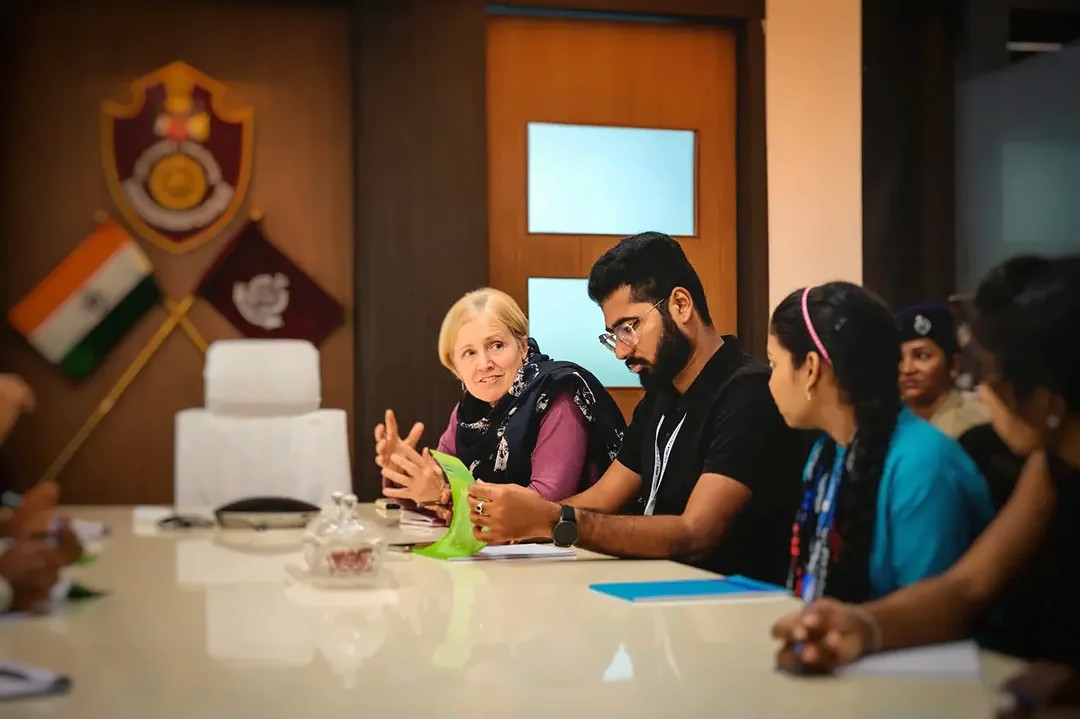
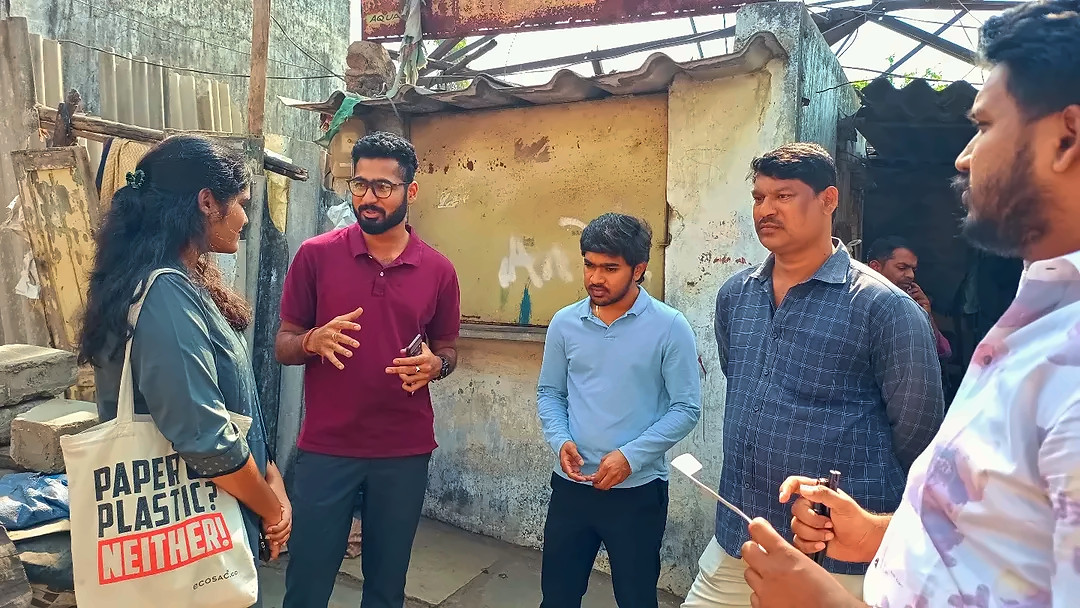
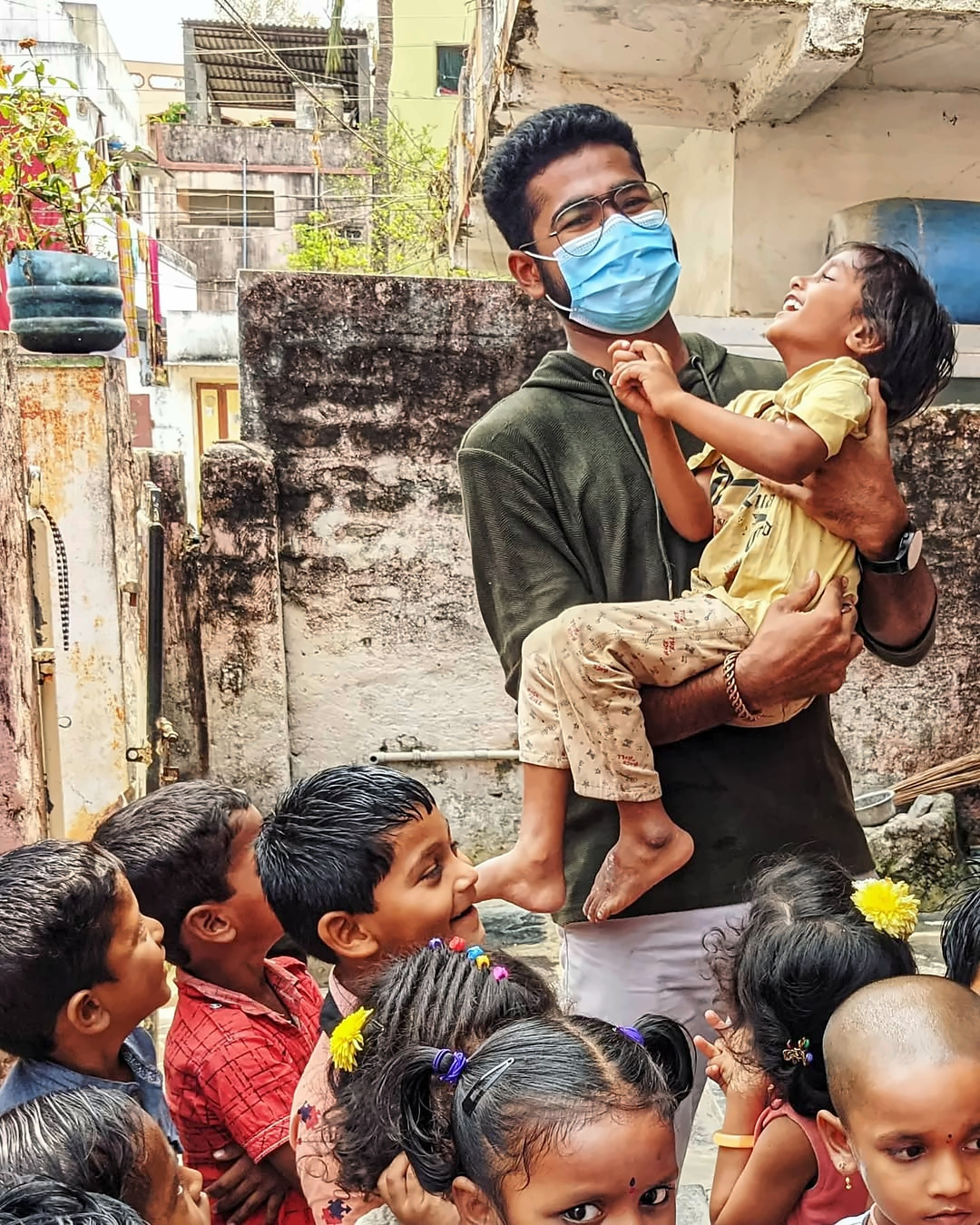
From the field to the policy room
Policy advice starts with what is seen on the ground: village lanes, government offices and city neighbourhoods.
Areas of expertise
Where his field experience is deepest.
Volunteer infrastructure
Standing volunteer networks for districts and cities: recruitment, training, deployment and recognition, including for disaster response.
Youth engagement
Getting young people from slogans to sustained civic work, through colleges, NSS and community programmes.
CSR convergence
Aligning corporate CSR with district development plans and public schemes, so money and volunteers reach the same priorities.
SDG localisation
Turning the 17 goals into district plans that communities and companies can act on and track.
Environment and water
Lakes, urban greening and afforestation done with citizens, so they are looked after once the ribbon is cut.
Ease of doing good
Registration, compliance and CSR rules for nonprofits, seen from the side that files the paperwork.
How he engages
- Consultations, round tables and expert evidence.
- Programme design, from a pilot in one district to a state-wide rollout.
- Policy briefs and white papers grounded in field evidence.
- Committee and working-group membership.
- Training for officials, elected representatives and party workers on running community programmes.
Where he draws the line
Four principles, stated up front.
Across the spectrum
He is willing to work with representatives and parties of different views on the social side of policy.
Personal capacity
Political advisory is Raghu’s own work. Marpu Foundation, as a registered charity, does not take part in political activity, and its programmes serve everyone.
Evidence before slogans
Recommendations come from what works on the ground, and he will say when something will not.
No harm
He does not take on work that targets communities, spreads misinformation or works around the law.
His policy writing
CSR regulation
Nation building
Good to know
Can a political party work with Raghu Vamsi Kadiri?
Yes, for advisory work on youth engagement, volunteering, CSR and social development policy, in his personal capacity. He works with people across the political spectrum. Marpu Foundation stays nonpartisan and is not part of these engagements.
Can a government department invite him as a resource person or expert?
Yes: for consultations, training programmes, committees and working groups on volunteering, youth engagement, CSR convergence and the SDGs.
Does he comment on bills and proposed rules?
Yes, from a practitioner’s view. He has written, for example, about what the CSR changes proposed in the Corporate Laws (Amendment) Bill, 2026 would mean for NGOs, and is willing to give evidence to committees.
Is this paid work?
Consultations for government and public bodies are often pro bono or honorarium-based. Advisory projects for parties, representatives and institutions are scoped and agreed in writing.
Which languages?
English, Telugu and Hindi, for meetings, consultations and community programmes.
Working on a policy or programme? Tell Raghu what you are designing, who it serves and the timeline.