The idea
Volunteer-First CSR
Volunteer-First CSR is a way of delivering corporate social responsibility in which trained, organised volunteers form the main delivery system of a programme, and the budget pays for what volunteers cannot do. Raghu Vamsi Kadiri developed it while building Marpu Foundation and examined it in a 2026 working paper on SSRN, which introduces the Volunteer-First Impact Model (VFIM).

What changes
Most CSR programmes include some volunteering. Volunteer-First CSR is built around it. The difference is structural.
| CSR that includes volunteering | Volunteer-First CSR | |
|---|---|---|
| Where design starts | A budget line, with volunteering added later for engagement | What sustained volunteer contribution can achieve |
| Volunteers are | Occasional participants in activities that would happen anyway | Core contributors to the programme’s outcomes |
| Direction is set by | The CSR team and the implementing partner | The CSR team, the partner and the volunteers, together |
| What gets measured | Money spent and activities completed | Programme outcomes and volunteer contribution, both as first-order results |
| Time horizon | One programme cycle | Years, built on relationships that last |
The long answer
How does a Volunteer-First CSR programme actually run?
It starts with a question most CSR plans skip: what can a trained group of volunteers achieve here, week after week? The answer sets the scope. A school revamp, a Miyawaki forest or a skills programme is then designed around the volunteers who will carry it, and the budget is drawn up for what they cannot do themselves: materials, logistics, specialist work, training and the people who coordinate them.
Every volunteer gets a role, not a slot. Roles come with a short training, a supervisor and a record of what was done, the way any operations team works. Employee volunteers from the funding company plug into the same roles, so their time builds the same programme the CSR budget pays for.
Results are measured on two axes. The first is the programme itself: trees alive after a year, students in the revamped school, lights still working. The second is the volunteer contribution: hours, skills, years of engagement and what that added. Raghu’s 2026 working paper sets this out as the Volunteer-First Impact Model (VFIM), and proposes the Volunteer-SDG Alignment Matrix (VSAM) for designing programmes around specific SDG indicators.
The paper studies Marpu Foundation’s project data from 847 CSR interventions between 2018 and 2025, with case studies of 12 multi-stakeholder partnerships. It reports 2.7 times greater community engagement depth and 41 percent lower administrative cost ratios for volunteer-led delivery than for conventional agency-implemented models, with the strongest alignment in SDGs 3, 4, 6, 8 and 17.
None of this changes the law. Section 135, Schedule VII, the CSR Rules, the annual action plan and reporting apply exactly as they do to any CSR programme. What changes is how far the money goes, and how many people stay to see the work through.
Four principles
How Raghu explains it to a CSR team in five minutes.
Volunteers are infrastructure, not audience.
A trained network delivers programme after programme, instead of turning up once for a photograph.
Structure replaces spontaneity.
Roles, training, supervision and records, the way any operations team works.
The budget buys outcomes, not overheads.
Money goes to what volunteers cannot do, so more of every rupee reaches the field.
Employees plug into the same system.
Employee volunteering and CSR point at the same goal instead of running side by side.
The logic underneath
Four propositions from Raghu’s introduction to the framework.
Volunteers are an underused strategic resource in Indian CSR.
India’s workforce includes a large base of people willing to give time and skills when the programme makes that contribution meaningful.
Sustained engagement needs structural design, not just activity design.
How volunteers are recruited, matched, supported, recognised and connected to outcomes decides whether they stay.
Company, implementer and volunteers work best as equal partners.
Programmes where all three share strategic conversations produce different results from programmes where volunteers simply carry out decisions.
Impact is measured on two axes.
Programme outcomes, and the volunteer dimension: hours, skills, years of engagement and what that contribution added.
How it fits the law
A design choice inside India’s CSR framework, not a way around it.
- The CSR obligation under Section 135 of the Companies Act, 2013 is unchanged by the choice of model.
- Activities must still fall within Schedule VII.
- The annual action plan, CSR committee oversight and Board’s report disclosures apply as usual.
- Impact assessment applies where the Rules’ thresholds are met.
- The top 1,000 listed companies report community work under BRSR Principle 8, whatever the delivery model.
- Implementing partners must be registered on Form CSR-1, and annual CSR reporting continues as required.
What it delivers, and what it does not
From seven years of Marpu Foundation applying the model, in Raghu’s own assessment.
Delivers
- Reach that grows with the volunteer network, not with headcount.
- Lower delivery costs for the same outcomes, without lowering quality.
- Community relationships anchored in people who live there.
- Partnerships that renew: Marpu reports 85% of corporate partners staying on across years.
- Employee volunteering connected to real outcomes.
- Resilience when budgets or partners change.
Does not
- Deliver outcomes automatically, without disciplined execution.
- Remove the need for professional staff in governance, compliance and coordination.
- Guarantee that volunteers stay, without real roles, training and recognition.
- Suit every programme, especially specialised medical or technical work.
- Remove any compliance requirement.
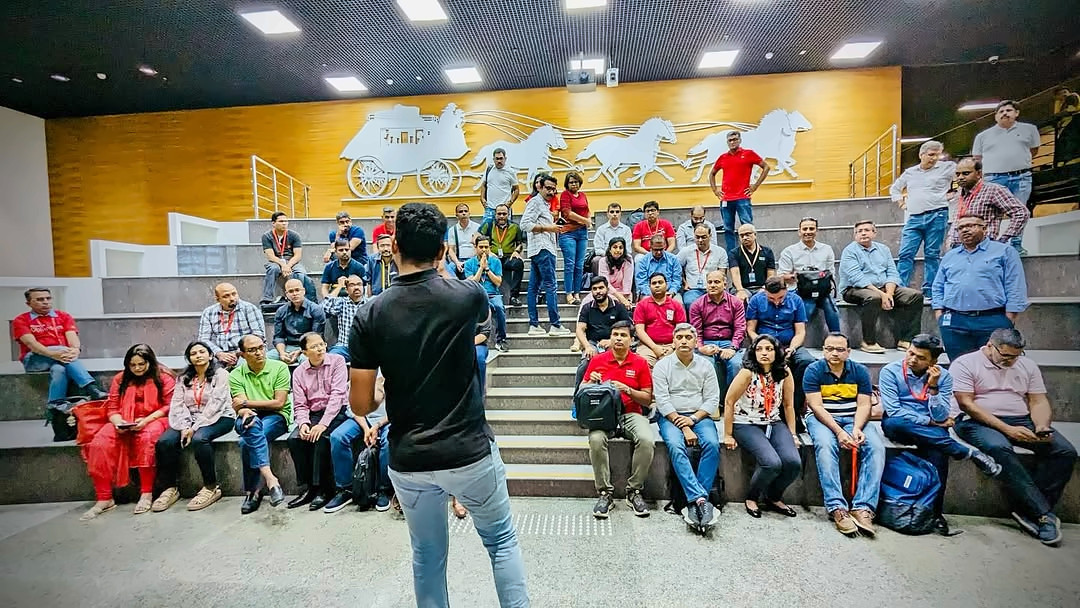
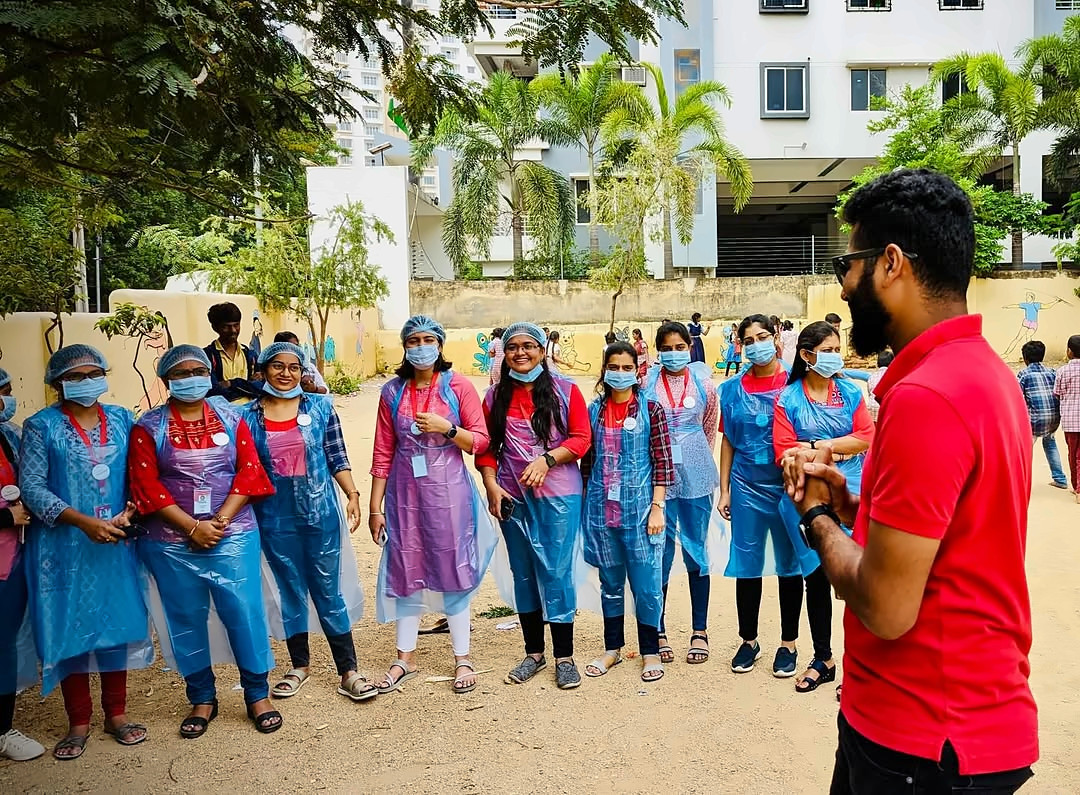
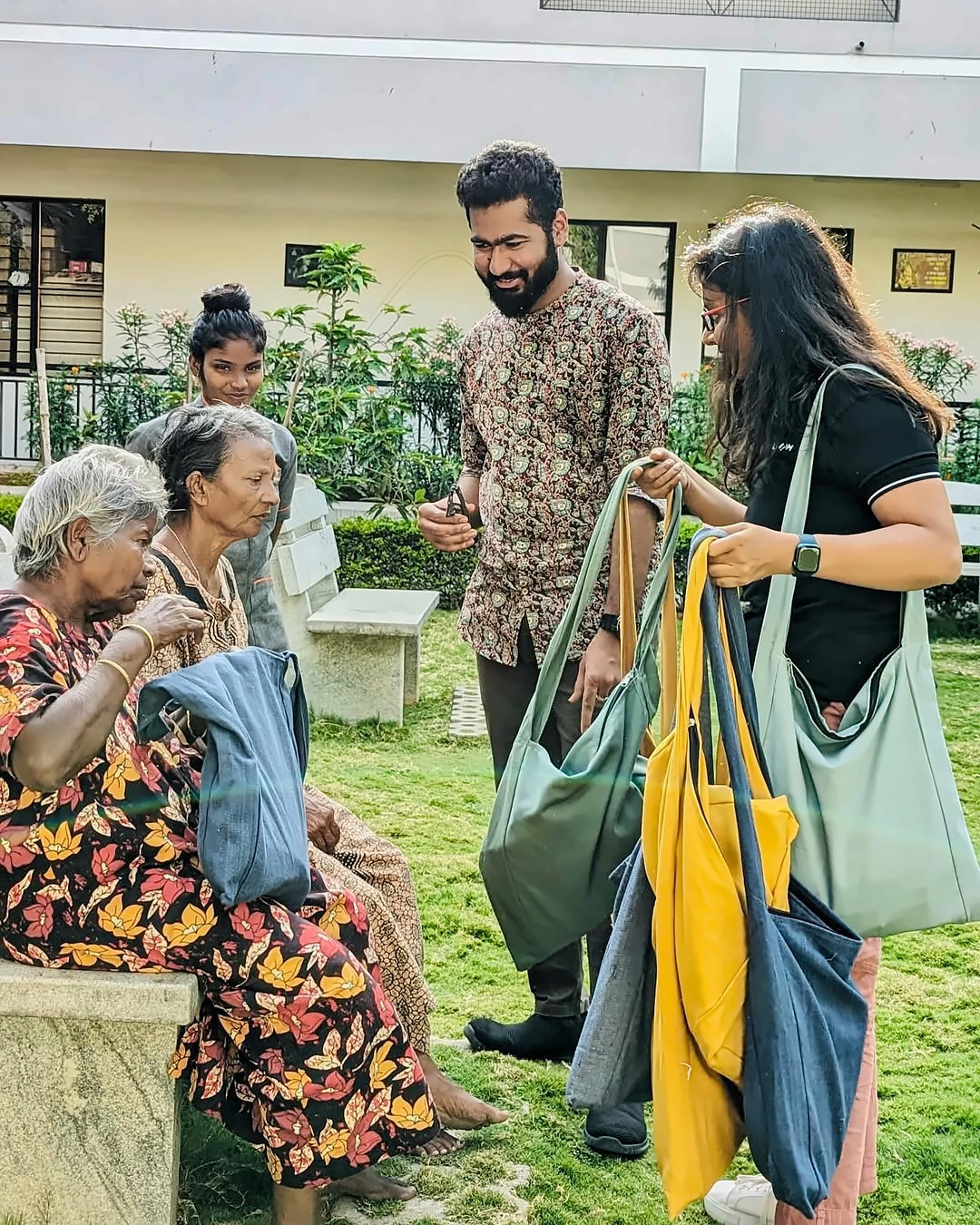
Volunteer-First CSR, in the field
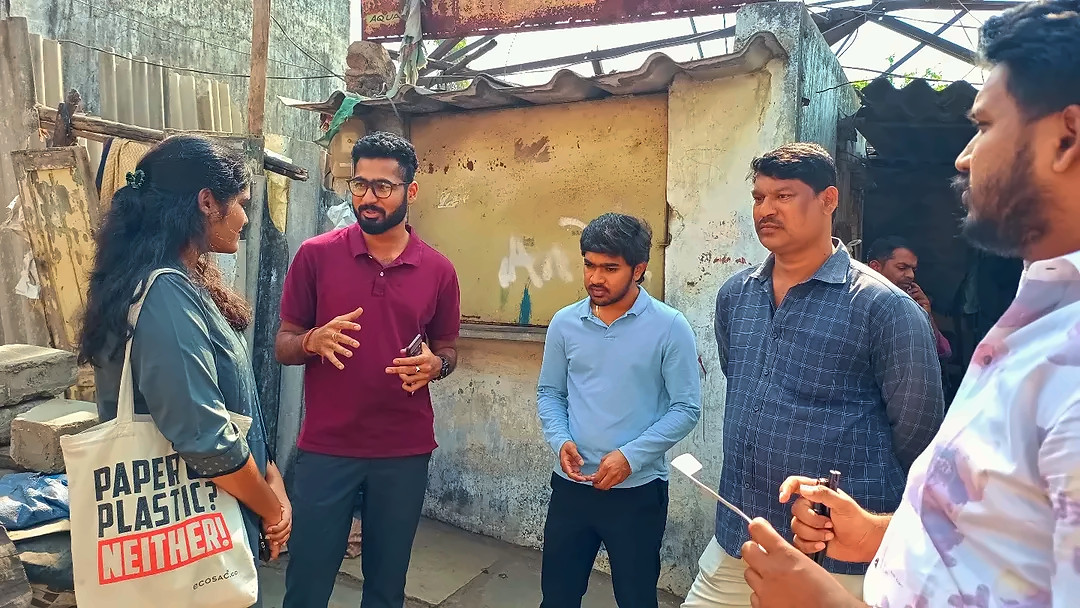
What it looks like when trained volunteers carry a programme, from a corporate office to a village road.
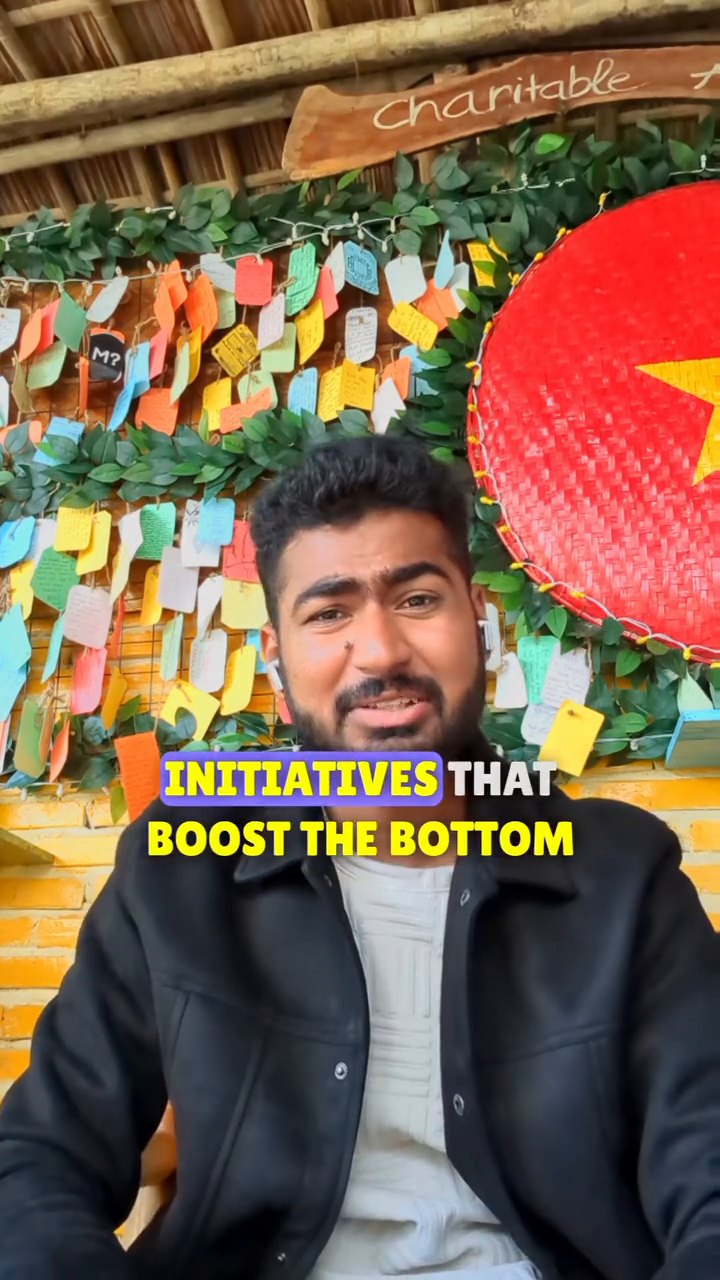 Watch
Raghu Vamsi Kadiri: the old model of CSR is dead
Raghu on why companies that treat volunteering as a checkbox will be left behind.



Is it right for your programme?
Five things to think through. They are not gates, just honest questions.
- Your workforce. Do your people have the interest and the time for sustained volunteering, not just a yearly day?
- Your cause area. Education, skills, mentoring, environment and community work fit naturally.
- Your organisation. HR support, communication rhythms and recognition need to be in place.
- Your partner. The implementing partner must know how to coordinate volunteers as real contributors.
- Your horizon. The model compounds over years, not months.
Where the evidence comes from
The network the 2026 paper studies, as its abstract describes it. Marpu Foundation has grown since: today it reports 250+ partner companies, 1M+ volunteers and 23+ states.
221
corporations in partnership
15
Indian states, 39 locations
90,000+
individual donors
847
CSR interventions analysed, 2018 to 2025
Cite this work
APA
Kadiri, R. V. (2026). Volunteer-first corporate social responsibility and sustainable development goal localization: Evidence from India’s largest volunteer-led social impact network [Working paper]. SSRN. https://doi.org/10.2139/ssrn.6323138
Chicago
Kadiri, Raghu Vamsi. 2026. “Volunteer-First Corporate Social Responsibility and Sustainable Development Goal Localization: Evidence from India’s Largest Volunteer-Led Social Impact Network.” SSRN Working Paper. https://doi.org/10.2139/ssrn.6323138.
When writing about the idea, please name it as Volunteer-First CSR and credit Raghu Vamsi Kadiri.
Go deeper
Raghu’s own writing on the model.
The model
Measuring it
Questions about the model
What is Volunteer-First CSR?
Volunteer-First CSR is a way of delivering corporate social responsibility in which trained, organised volunteers form the main delivery system of a programme, and the budget pays for what volunteers cannot do. The idea is that volunteers are the infrastructure of a programme, not its audience.
Who created Volunteer-First CSR?
Raghu Vamsi Kadiri, founder of Marpu Foundation in Hyderabad, developed it while building Marpu’s volunteer network and set it out in a working paper on SSRN in 2026.
What does VFIM stand for?
The Volunteer-First Impact Model, the analytical framework introduced in Raghu’s 2026 SSRN working paper on volunteer-first CSR and SDG localisation. The same paper proposes the Volunteer-SDG Alignment Matrix (VSAM), a tool for designing volunteer-anchored CSR programmes around specific SDG indicators.
How is it different from employee volunteering?
Employee volunteering is one input. Volunteer-First CSR is a delivery model: trained volunteers, whether community members, students or employees, carry the programme, and employee volunteering plugs into that same system instead of running as a separate event.
Is Volunteer-First CSR allowed under Section 135?
Yes. It is a way of designing a programme within the existing framework. Section 135, Schedule VII, the CSR Rules, the annual action plan, CSR committee oversight and reporting all apply as they do to any CSR programme.
Does employee volunteering time count as CSR spending?
How volunteer time is treated in CSR accounts depends on the CSR Rules and the Ministry of Corporate Affairs’ clarifications, so settle it with your CSR committee and auditor. Volunteer-First CSR does not rely on counting volunteer hours as spend; it uses volunteers to make the money go further.
Does it mean using volunteers instead of paying people?
No. Professional staff concentrate on governance, compliance, coordination and technical work. Volunteers are not free labour: they need training, support and recognition, and the budget pays for those.
Which programmes suit it best?
Education, skills training, mentoring, environment and community engagement suit it well. Highly specialised medical, technical or capital-heavy programmes may need a different structure.
Want to try it on one programme?
Raghu can run a half-day design workshop with your CSR team, or advise you through a full CSR year.